
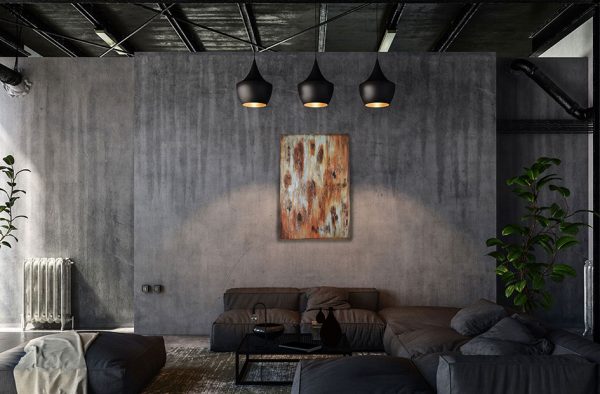
Natural stone quartzite is a metamorphic rock formed from sandstone that has undergone intense heat and pressure within the Earth’s crust. This process fuses the sand grains together and crystallizes them, resulting in a highly durable and dense stone composed primarily of quartz. Quartzite is prized for its strength, hardness, and resistance to heat and scratching, making it one of the most durable natural stones available. It often features elegant veining and patterns that resemble marble, offering a luxurious appearance with greater durability. Its color palette typically includes shades of white, gray, and beige, although mineral impurities can introduce hints of pink, green, or gold.
Quartzite is an excellent choice for both residential and commercial applications, including kitchen countertops, bathroom vanities, flooring, wall cladding, and outdoor spaces. Its natural resistance to UV rays makes it ideal for outdoor installations without worrying about fading. While quartzite is highly durable, it is porous and may require sealing to prevent staining and moisture absorption. Combining the timeless beauty of marble with the toughness of granite, quartzite has become a popular material for high-end designs, offering both aesthetic appeal and long-lasting performance.

White Quartzite
- Examples: White Macaubas, Bianca Perla, Super White.
- Appearance: Light-colored with subtle gray or beige veining, resembling marble.
- Uses: Countertops, backsplashes, flooring.
- Key Features: Classic and elegant, often chosen as a durable alternative to marble.
Gray Quartzite
- Examples: Taj Mahal, Sea Pearl, Grey Goose.
- Appearance: Neutral gray tones with soft or dramatic veining.
- Uses: Modern interiors, minimalist designs.
- Key Features: Versatile and sophisticated, complements contemporary aesthetics.
Gold and Beige Quartzite
- Examples: Taj Mahal, Perla Venata, Golden Fantasy.
- Appearance: Warm tones with golden, cream, or beige highlights and soft veining.
- Uses: Warm, inviting interiors or transitional designs.
- Key Features: Exudes luxury and warmth, pairs well with wood accents.
Green Quartzite
- Examples: Costa Esmeralda, Verde Fusion, Emerald Quartzite.
- Appearance: Shades of green with dramatic patterns and veining.
- Uses: Statement walls, countertops, and feature pieces.
- Key Features: Bold and vibrant, often used for creating striking focal points.
Blue Quartzite
- Examples: Azul Macaubas, Blue Roma, Fusion Blue.
- Appearance: Shades of blue with flowing or wavy patterns, sometimes accented with gold or white.
- Uses: Luxurious bathrooms, decorative countertops.
- Key Features: Rare and highly prized for its unique aesthetic.
Pink Quartzite
- Examples: Cristallo Rosa, Pink Onyx Quartzite.
- Appearance: Soft pink hues with white or gold veining.
- Uses: Feminine or romantic interiors, accent pieces.
- Key Features: Elegant and subtle, adding warmth and charm.
Black Quartzite
- Examples: Black Fusion, Nero Fantasy, Tempest Quartzite.
- Appearance: Dark shades with striking gold, white, or gray veining.
- Uses: Sleek, modern designs or dramatic accents.
- Key Features: Bold and powerful, ideal for creating contrast.
Exotic Multicolor Quartzite
- Examples: Fusion Wow, Lemurian Quartzite, Patagonia.
- Appearance: A mix of vibrant colors and intricate patterns, creating a mosaic-like effect.
- Uses: Feature walls, artistic designs, high-end interiors.
- Key Features: Unique and artistic, often used as statement pieces.
Translucent Quartzite
- Examples: Cristallo, Taj Mahal, Quartzite Lumix.
- Appearance: Semi-translucent with the ability to be backlit for a glowing effect.
- Uses: Backlit countertops, bar tops, and feature panels.
- Key Features: Eye-catching and luxurious, ideal for dramatic effects.
Textured Quartzite
- Examples: Honed or leathered finishes of common quartzite types.
- Appearance: Matte or slightly textured surface, enhancing the stone’s natural look.
- Uses: Rustic or contemporary designs where a non-glossy finish is preferred.
- Key Features: Provides a tactile, natural feel, reducing glare.