
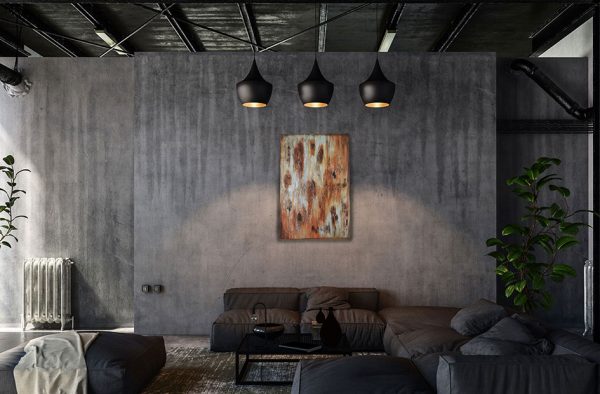
Engineered stone materials are manufactured surfaces made from a combination of natural stone particles, resins, and pigments. They offer the look of natural stone with enhanced durability, consistency, and low maintenance. Below are the main types of engineered stone materials for countertops:

Quartz (Engineered Quartz)
- Composition: About 90–95% natural quartz crystals mixed with resin binders and pigments.
- Examples: Silestone, Caesarstone, Cambria, MSI Q Quartz.
-
Key Features:
- o Non-porous and resistant to stains, scratches, and bacteria.
- o Available in a wide range of colors and patterns, including those mimicking marble and granite.
- Uses: Kitchen countertops, bathroom vanities, backsplashes, and bar tops.
-
Advantages:
- o Extremely durable and low maintenance.
- o Does not require sealing like natural stone.
- o Resistant to heat, although trivets are recommended.
-
Disadvantages:
- o Seams are visible in large installations.
- o Not suitable for outdoor use as UV rays can cause discoloration.
Porcelain (Sintered Stone)
- Composition: Made from natural minerals like clay, feldspar, and silica, compacted under high pressure and heat.
- Examples: Dekton, Neolith, Lapitec.
-
Key Features:
- o Ultra-durable, non-porous, and resistant to heat, scratches, and stains.
- o Can mimic natural stone, wood, or concrete finishes.
- Uses: Indoor and outdoor countertops, wall cladding, and furniture.
-
Advantages:
- o UV-resistant, making it ideal for outdoor applications.
- o Available in large, thin slabs, reducing visible seams.
- o Highly heat- and scratch-resistant.
-
Disadvantages:
- o Can be more brittle than quartz, requiring careful installation.
- o Limited edge profiles due to thinness.
Marble-Based Engineered Stone
- Composition: Crushed marble particles mixed with resins and pigments.
- Examples: MarmoTech, Bretonstone Marble.
-
Key Features:
- o Mimics the look of natural marble with better stain resistance.
- o Softer than quartz, making it more suitable for decorative applications.
- Uses: Bathroom vanities, low-traffic countertops, and decorative surfaces.
-
Advantages:
- o Offers a luxurious appearance at a lower cost than natural marble.
- o Easier to maintain than natural marble.
-
Disadvantages:
- o Less durable and scratch-resistant compared to quartz or porcelain.
- o Not ideal for high-traffic or high-heat areas.
Recycled Glass Surfaces
- Composition: Made from recycled glass shards bound with resin or cement.
- Examples: Vetrazzo, IceStone, GEOS Recycled Glass.
-
Key Features:
- o Unique and vibrant appearance with visible glass pieces.
- o Eco-friendly and sustainable.
- Uses: Eco-conscious projects, kitchen countertops, and decorative surfaces.
-
Advantages:
- o Durable and scratch-resistant.
- o Adds a distinct, colorful aesthetic to spaces.
-
Disadvantages:
- o May chip at edges over time.
- o Requires sealing in some products.
Concrete-Based Engineered Stone
- Composition: A blend of concrete, resins, and pigments.
- Examples: Cheng Concrete Countertops, Buddy Rhodes Artisan Concrete.
-
Key Features:
- o Industrial and modern appearance.
- o Can be customized with pigments, aggregates, and decorative features.
- Uses: Modern kitchens, industrial-themed spaces, and outdoor countertops.
-
Advantages:
- o Highly customizable in terms of color, shape, and texture.
- o Durable when properly sealed.
-
Disadvantages:
- o Requires sealing to prevent stains and moisture absorption.
- o Heavier than other materials, requiring reinforced cabinetry.
Resin-Based Engineered Stone
- Composition: Made from natural stone aggregates (e.g., granite or quartz) mixed with high-performance resins.
- Examples: Bretonstone, Technistone.
-
Key Features:
- o Combines the natural beauty of stone with enhanced durability and consistency.
- o Available in a variety of colors and finishes.
- Uses: Kitchen and bathroom countertops, flooring, and wall cladding.
-
Advantages:
- o Seamless appearance with consistent patterns.
- o Non-porous and resistant to stains and bacteria.
-
Disadvantages:
- o Susceptible to discoloration in direct sunlight.
- o May chip or crack under heavy impact.
Ultra-Compact Surfaces
- Composition: Made from a blend of natural minerals fused under extreme heat and pressure.
- Examples: Dekton, Lapitec, Neolith.
-
Key Features:
- o Extremely hard, durable, and resistant to heat, scratches, and UV rays.
- o Thin and lightweight slabs.
- Uses: Countertops, wall cladding, flooring, and outdoor applications.
-
Advantages:
- o Suitable for both indoor and outdoor use.
- o Virtually maintenance-free.
-
Disadvantages:
- o Difficult to repair if chipped or cracked.
- o Higher price point compared to quartz.
Comparison Table
| Material Type | Durability | Heat Resistance | Scratch Resistance | Eco-Friendly | Customization |
|---|---|---|---|---|---|
| Quartz | Very High | High | High | Moderate | Moderate |
| Porcelain | Very High | Very High | Very High | High | Limited |
| Marble-Based | Moderate | Moderate | Moderate | Low | Moderate |
| Recycled Glass | High | Moderate | Moderate | High | High |
| Concrete-Based | High | Moderate | Moderate | Moderate | Very High |
| Resin-Based | High | Moderate | High | Low | High |
| Ultra-Compact Surfaces | Very High | Very High | Very High | High | Limited |